
Every remodeling project changes a home, but not every project changes what a buyer will pay for it. Some improvements return most of their cost at resale and make a house sell faster. Others deliver years of enjoyment but add little to the price. Knowing the difference helps Georgia homeowners spend their renovation budgets where the money works hardest.
Value in real estate is local. What buyers reward in metro Atlanta differs from what they reward in Savannah, Columbus, or the north Georgia mountains. A project that makes sense in one neighborhood can be an over-improvement in another. Climate matters as well. Georgia’s long, hot, humid summers, heavy storms, and extended outdoor season shape which projects buyers here actually care about.
This article covers the remodeling projects with the strongest track record of improving home value. It explains why each one performs and adds the Georgia specific context that national advice usually leaves out.
How Remodeling Value Is Actually Measured
Before choosing projects, it helps to understand how return on investment works in remodeling. Industry research, including the widely cited annual Cost vs. Value report, compares the cost of common projects with the value real estate professionals estimate they add at resale. A few consistent patterns emerge from years of that data.
Exterior and curb appeal projects tend to return the highest percentage of their cost. Modest updates usually outperform lavish ones. That is why a minor kitchen refresh typically beats a full gut renovation on a percentage basis. Very few projects return more than they cost, so remodeling is rarely a pure profit strategy. The realistic goal is to recover a large share of the investment while enjoying the improvement in the meantime.
Percentages also vary by year, by region, and by the specific house. A home with one bathroom gains far more from adding a second than a home that already has three. Treat national figures as a guide to relative performance rather than a promise. Talk to a local real estate agent about what buyers in your specific Georgia market expect.
With that framing, here are the projects that consistently perform.
1. Curb Appeal Upgrades: Garage Doors, Entry Doors, and Siding
The least glamorous projects on this list are among the most reliable. Buyers form their impression of a home from the street. Appraisers and agents consistently rank exterior replacements near the top for cost recovery.
A new garage door is the classic example. On many Georgia homes the garage door is the largest single element on the front facade. Replacing a dented builder grade door with an attractive insulated model transforms the elevation for a modest price. Steel entry doors perform similarly. A solid, secure, energy efficient front door signals that the home has been maintained. It also improves comfort by sealing one of the leakiest points in the envelope.
Siding replacement earns its keep in Georgia’s climate. Fiber cement siding resists the moisture, insects, and mildew that punish wood in our humidity. It holds paint well and carries strong buyer recognition. Manufactured stone veneer accents, applied to a portion of the facade such as the entry or foundation line, have ranked among the top value projects nationally for years.
Fresh exterior paint, in a current neutral palette, remains the least expensive facelift available. Pressure washing the siding, driveway, and walks costs even less and matters in Georgia, where mildew and pollen dull every surface. Simple landscaping, covered in more detail below, ties the picture together.
2. A Minor Kitchen Remodel
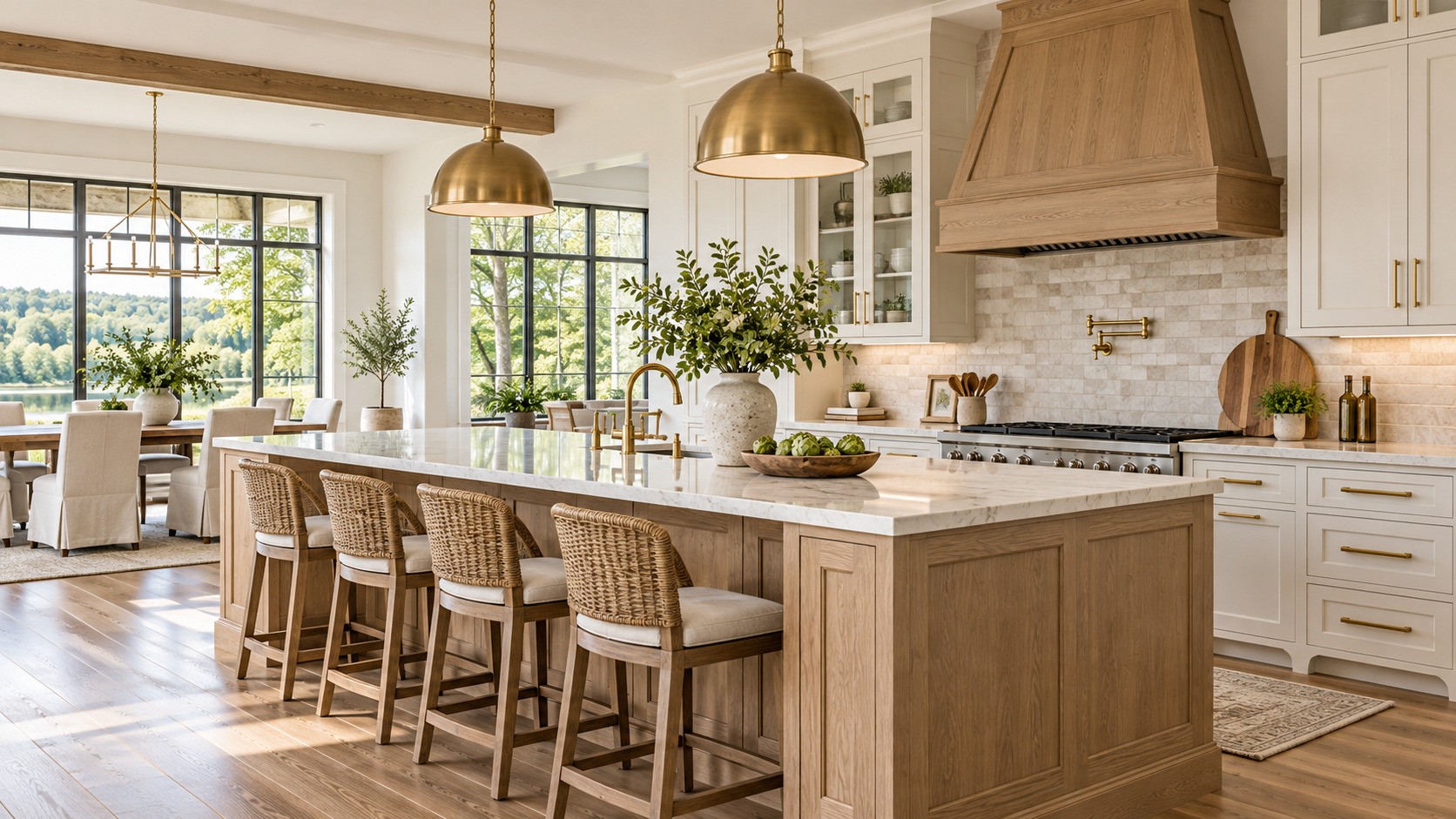
Kitchens sell houses, and the data is clear about how to spend kitchen money. A minor remodel keeps the existing layout and updates the surfaces. It consistently recovers a much higher share of its cost than a major renovation that moves walls and plumbing.
The typical scope includes refacing or repainting cabinets, adding new hardware, replacing countertops, and installing a new sink and faucet. Updating the appliances with mid range energy efficient models, replacing the flooring, and refreshing the lighting and paint round it out. The kitchen looks and functions like new, and the budget stays a fraction of a full renovation.
Major kitchen remodels still make sense in some situations. A truly dysfunctional layout can justify the larger project. So can a kitchen closed off from living areas in a market where buyers expect open plans, or a high end home where buyers demand luxury finishes. Just go in understanding that the percentage returned drops as the budget climbs. The most expensive finish levels rarely pay back in mid priced neighborhoods.
Georgia specific advice here is mostly about restraint. Metro Atlanta buyers respond to quartz or granite counters, painted cabinets, and stainless appliances, all of which fit a minor remodel budget. Islands with seating are popular where space allows. Save the commercial range and the imported tile for a home whose neighborhood supports the price.
3. Bathroom Updates and Added Bathrooms
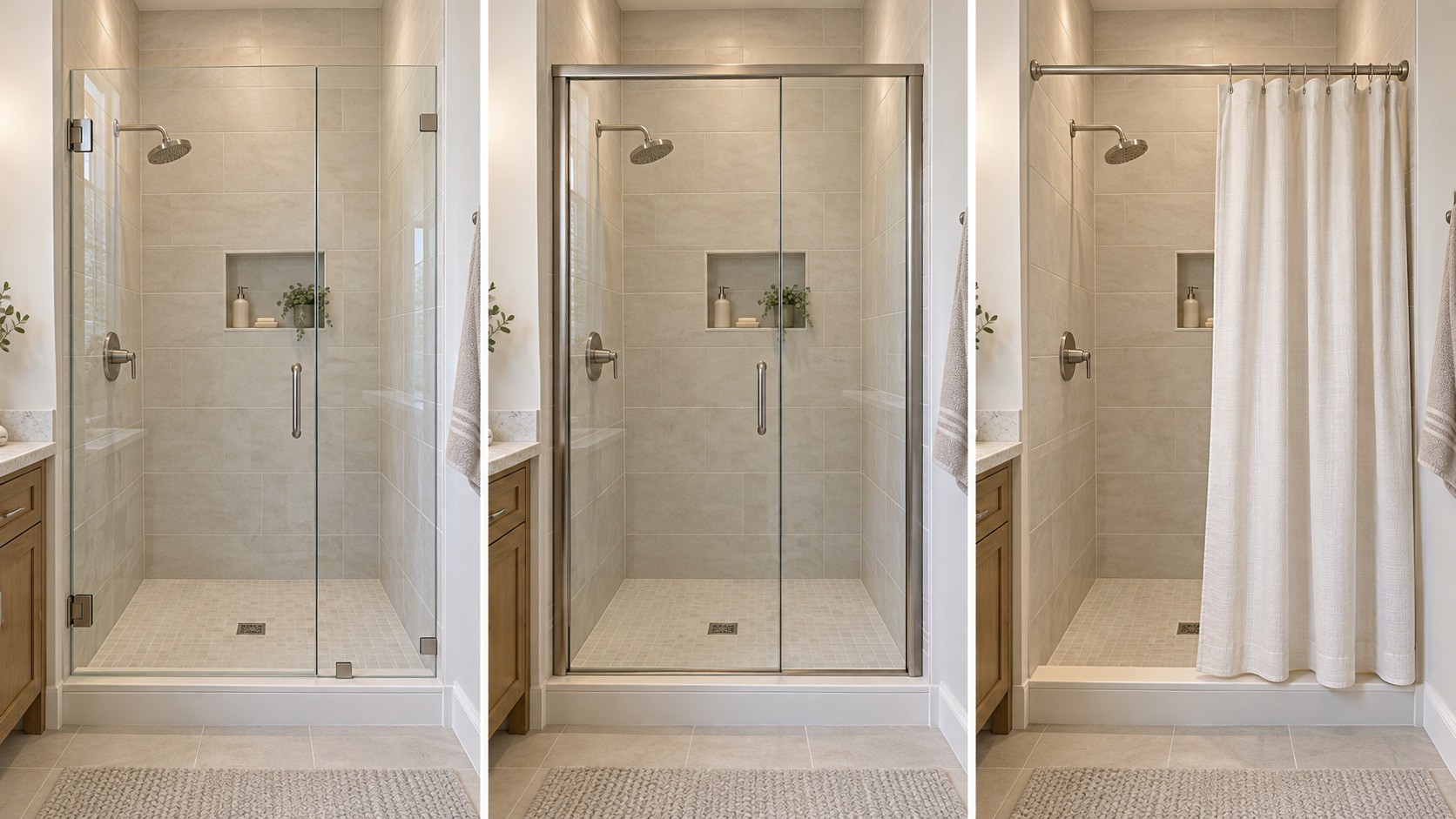
Bathrooms follow the same logic as kitchens. A mid range refresh, with a new vanity, countertop, toilet, tile, lighting, and fixtures, recovers a healthy share of its cost. It also removes a common buyer objection. Luxury overhauls return a smaller percentage.
Adding a bathroom is a different calculation. In a home with only one bath, adding a second changes the buyer pool entirely and typically adds substantial value. Georgia’s older housing stock, including many ranch homes from the 1950s through 1970s, has plenty of one and one and a half bath layouts. In those homes, an addition or conversion pays off. A half bath added on the main level of a two story home is another proven winner.
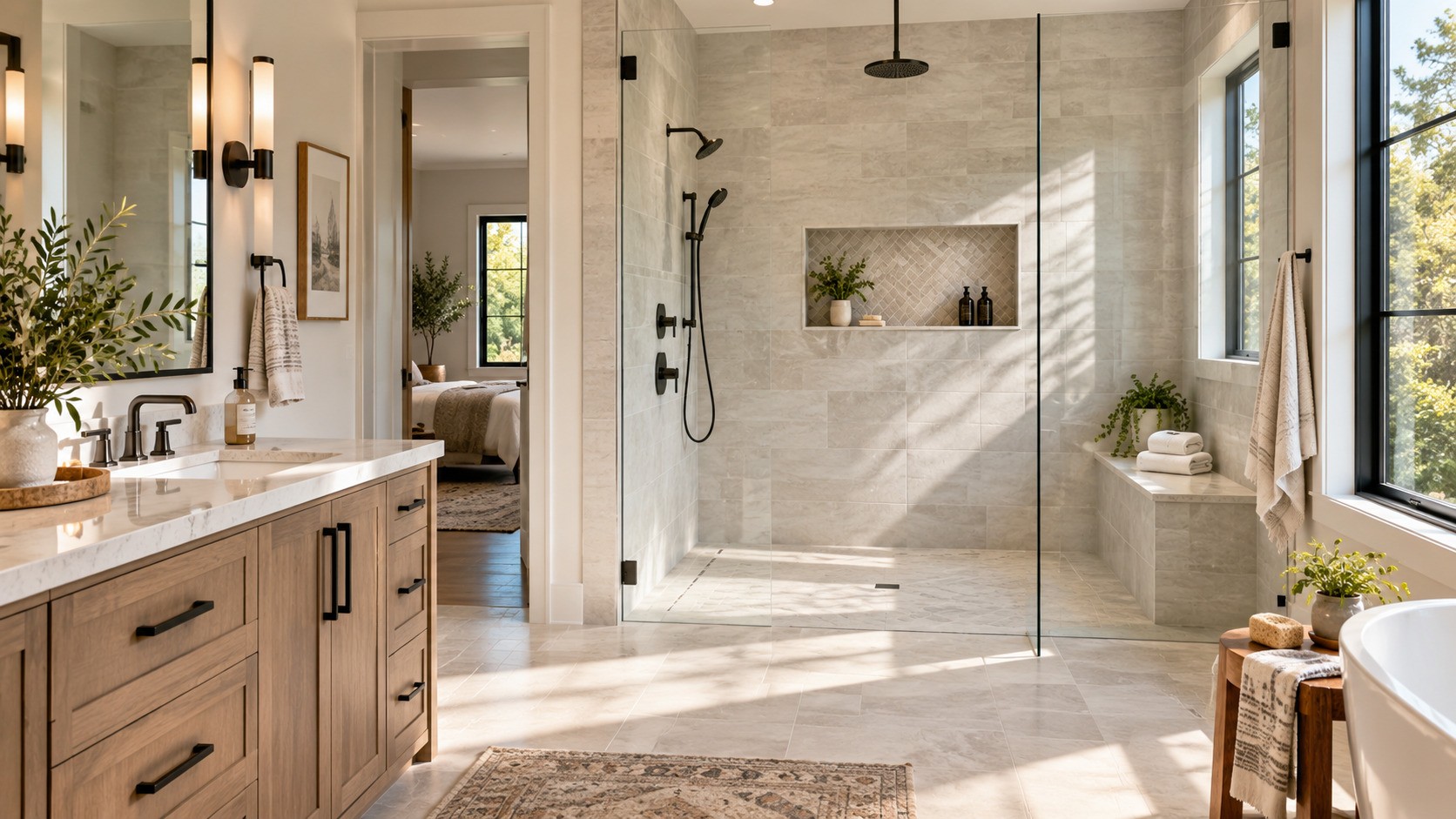
Two features deserve special mention for the Georgia market. Walk in showers have broadly replaced tubs as the master bath expectation. Keeping at least one tub in the house still matters for families with young children. Accessibility features, such as curbless showers, comfort height toilets, and blocking for grab bars, appeal to Georgia’s growing population of buyers planning to age in place. They cost little to include during a remodel.
4. Outdoor Living: Decks, Porches, and Screened Spaces
Georgia’s climate makes outdoor space usable from early spring through late fall, and buyers pay for it. Outdoor living projects perform better in the South than national averages suggest, because the season here is so much longer.
A wood deck is the standard entry point and recovers a solid share of its cost. Composite decking costs more up front but eliminates the staining and sealing that Georgia’s sun and rain demand of wood. Many buyers now prefer it.
The screened porch is the signature Georgia upgrade. Mosquitoes claim the evening hours across much of the state for a good portion of the year. Spring pollen makes open porches unusable for weeks. A screened porch solves both problems and effectively adds a room that gets used daily. Covered porches, and porches with ceiling fans, extend comfort deeper into summer.
Patios, fire pits, and outdoor kitchens follow behind in return but contribute to the overall impression of livable space. As with interiors, match the investment to the neighborhood. A modest paver patio suits most homes, while a full outdoor kitchen belongs where home values support it.
Whatever you build, construct it properly. Decks and porches attached to the house require permits in Georgia jurisdictions, and deck failures are a known safety issue. An inspected, code compliant structure protects your family and survives the buyer’s inspection later.
5. Energy Efficiency: Insulation, Air Sealing, and HVAC
Cooling a home through a Georgia summer is expensive, and buyers increasingly ask about utility costs. Efficiency projects improve value in two ways. They lower the bills a buyer will inherit, and they make the home more comfortable in ways people notice during a showing.
Attic insulation and air sealing are the workhorses. Many older Georgia homes have far less attic insulation than current standards call for. Topping it up is one of the cheapest improvements per dollar of benefit. Sealing air leaks around attic penetrations, ducts, doors, and windows compounds the gain. Fiberglass attic insulation upgrades have ranked among the highest return projects in national cost studies for years.
Heating and cooling equipment matters enormously here. A failing HVAC system is a red flag that shows up in every Georgia home inspection. Buyers discount aggressively for it. Replacing an aging system with an efficient heat pump suits Georgia’s climate well, since heat pumps handle our mild winters easily while providing efficient cooling. A new system with a transferable warranty is a genuine selling point.
Windows sit further down the return list. Replacing single pane windows with double pane low emissivity units improves comfort and appearance. Full window replacement is costly, though, and recovers a smaller share. Prioritize windows that are failing or damaged rather than replacing wholesale for efficiency alone.
One note on incentives. Federal tax credits that supported home efficiency upgrades in recent years ended for improvements placed in service after 2025 under legislation passed that year. Some utilities offer their own rebate programs, and those change over time. Check with your utility for current offerings before planning a project around an incentive.
Roof Replacement: Protecting Resale Value in Georgia
A roof at the end of its life can stall a Georgia home sale entirely. Buyers fear the cost, and inspectors flag it. Insurers may decline to write a policy on a roof beyond a certain age, which makes the home hard to finance. Replacing a worn roof before listing removes all three obstacles.
Georgia roofs work hard. Intense sun degrades shingles, summer thunderstorms bring wind and hail, and the occasional tropical system tests every fastener. Architectural asphalt shingles are the standard replacement and satisfy most buyers. Impact rated shingles can earn insurance discounts in some cases, and metal roofing, while more expensive, appeals in certain markets for its longevity.
A new roof rarely returns its full cost in added price. Its value lies in what it prevents. Homes with old roofs sell slower, attract lower offers, and generate repair demands after inspection. A documented, transferable warranty from a licensed roofer converts a liability into a selling point.
While work is underway, address gutters and drainage. Georgia’s heavy rains overwhelm undersized or clogged gutters. Water directed at the foundation causes the crawl space moisture and settling problems that plague homes across the state.
7. Finished Basements and Bonus Spaces
Finished square footage drives value, and converting existing unfinished space is usually the cheapest way to add it. The opportunity varies by region within Georgia. Basements are common in metro Atlanta and north Georgia, where sloped lots produce daylight and walkout basements. South Georgia homes typically sit on slabs or crawl spaces.
A finished basement adds recreation space, a guest suite, a home office, or a media room. Daylight basements with full windows and exterior doors finish especially well. Moisture control comes first in Georgia. Before finishing, address any water intrusion, grade and gutter issues, and humidity, because a musty finished basement hurts value rather than helping it. Proper permits matter too, since appraisers and buyers treat unpermitted finished space with suspicion. Appraisals also typically value below grade space differently from main level area.
Bonus rooms over garages, attic conversions with adequate ceiling height, and enclosed porches offer similar opportunities in homes without basements. Adding a functional home office carries more weight than it once did, as remote and hybrid work remain common among Georgia buyers.
8. Paint, Flooring, and the Finish Layer
The least expensive projects on this list often produce the most noticeable transformation per dollar.
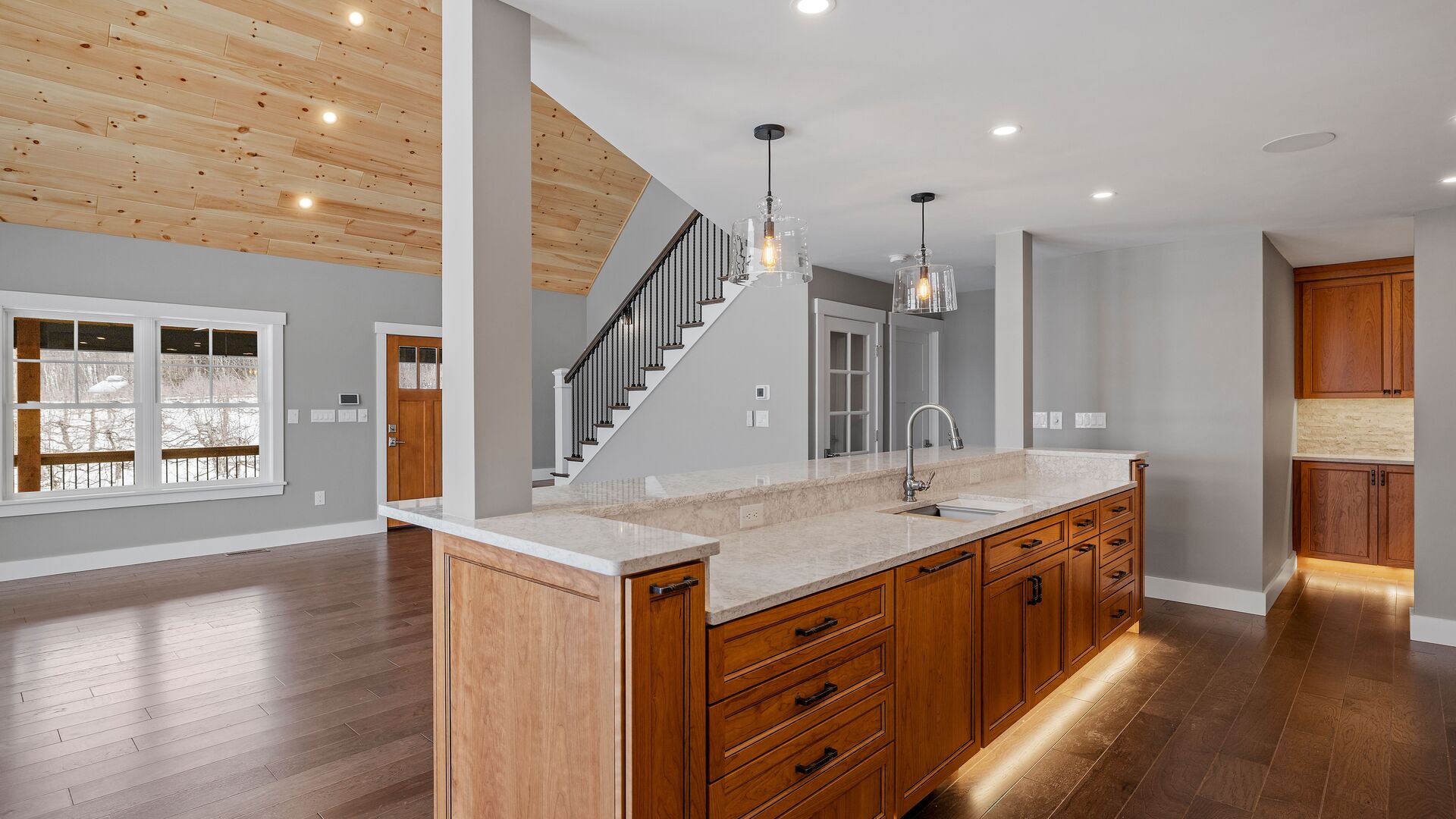
Interior paint in current neutrals freshens every room and photographs well in listings. Flooring has a clear trend line in Georgia. Buyers respond to continuous hard surface flooring on the main level. Luxury vinyl plank has become the dominant choice in remodels because it handles our humidity, resists scratches, and installs affordably. Refinishing existing hardwood, where a home has it, delivers one of the best returns in all of remodeling.
Lighting deserves inclusion in this layer. Replacing dated fixtures and adding recessed lighting in dark rooms modernize a home quickly. So does installing ceiling fans, which Georgia buyers expect in bedrooms and living spaces. Updated door hardware, switch plates, and faucets complete the impression of a cared for house.
Landscaping belongs here as well. Fresh pine straw or mulch, defined bed edges, healthy shrubs sized to the house, and a tidy lawn cost little and frame everything else. Mature shade trees are a genuine value asset in Georgia’s heat, so protect them during any construction.
Projects That Rarely Pay Off
A balanced view requires naming the projects that seldom return their cost. Swimming pools are the classic example. A pool adds value for some Georgia buyers and subtracts it for others who see maintenance and safety concerns. It rarely recovers its installation cost. Highly personalized renovations, such as converted garages, themed rooms, and unusual finishes, narrow the buyer pool. Luxury upgrades in modest neighborhoods run into the ceiling of comparable sales, no matter how beautiful the work.
None of this means avoiding these projects. It means doing them for your own enjoyment with clear eyes about resale.
Permits, Contractors, and Doing It Right
How work is done affects value as much as what is done. Georgia requires state licensing for residential contractors performing work above a modest threshold. Plumbers, electricians, and conditioned air contractors must be licensed for their trades. Remodeling that involves structure, plumbing, electrical, or mechanical systems generally requires permits from your city or county building department.
Unpermitted work creates problems at sale. Buyers’ inspectors notice, appraisers may exclude unpermitted space, sellers must answer disclosure questions honestly, and some buyers walk away entirely. Permitted, inspected work with documentation does the opposite. Keep records, warranties, and receipts for every project, and hand the file to your listing agent when the time comes.
Verify any contractor’s license through the Georgia Secretary of State, confirm insurance, get detailed written contracts, and check references. The quality gap between contractors is wide, and buyers can tell the difference.
Conclusion
Improving a Georgia home’s value is less about any single dramatic renovation and more about a sequence of sound choices. Strong curb appeal, an updated kitchen and bathrooms, and real outdoor living space all contribute. An efficient building envelope, a sound roof, functional finished space, and clean cosmetic finishes together move the number that matters.
Match every project to your neighborhood, build with permits and licensed trades, and keep the documentation. A home improved that way rewards you twice, first in the years you live there and again on the day you sell.